A gentle emotional toolkit for children and youth.
A music-based program for schools that complements social-emotional learning, supporting wellbeing and resilience through original songs, guided mindfulness practices, mindful listening, movement, and creative expression — designed to be accessible and adaptable across cultures, languages, and life circumstances.
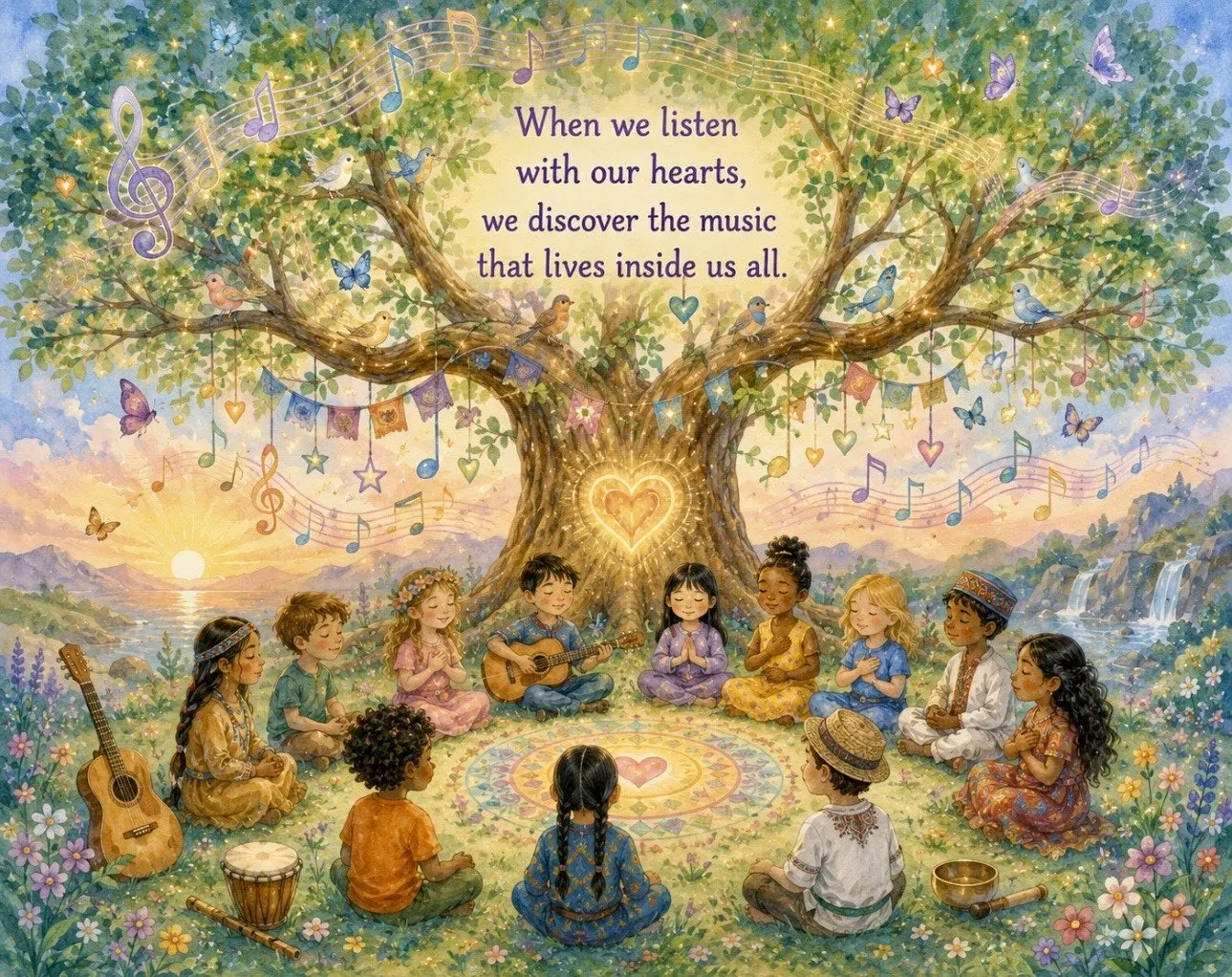
Calm and focus, woven into the school day.
Short, calming meditation songs and guided mindfulness practices that support emotional regulation, wellbeing, listening skills and focus. Created by psychologist and award-winning singer-songwriter Ilka de Gast, PsyD.
Emotional regulation and self-soothing
Calm, focus and readiness to learn
Positive emotional states and gratitude
Reduction of stress and anxiety
Ease during classroom transitions
Complements Social Emotional Learning principles.
Supporting self-awareness, self-management, emotional well-being, and resilience through music and mindfulness practices.
Mindfulness Through Music Program
by country.
In schools in Kenya, Uganda, the USA and the Netherlands, with the songs translated into local languages.
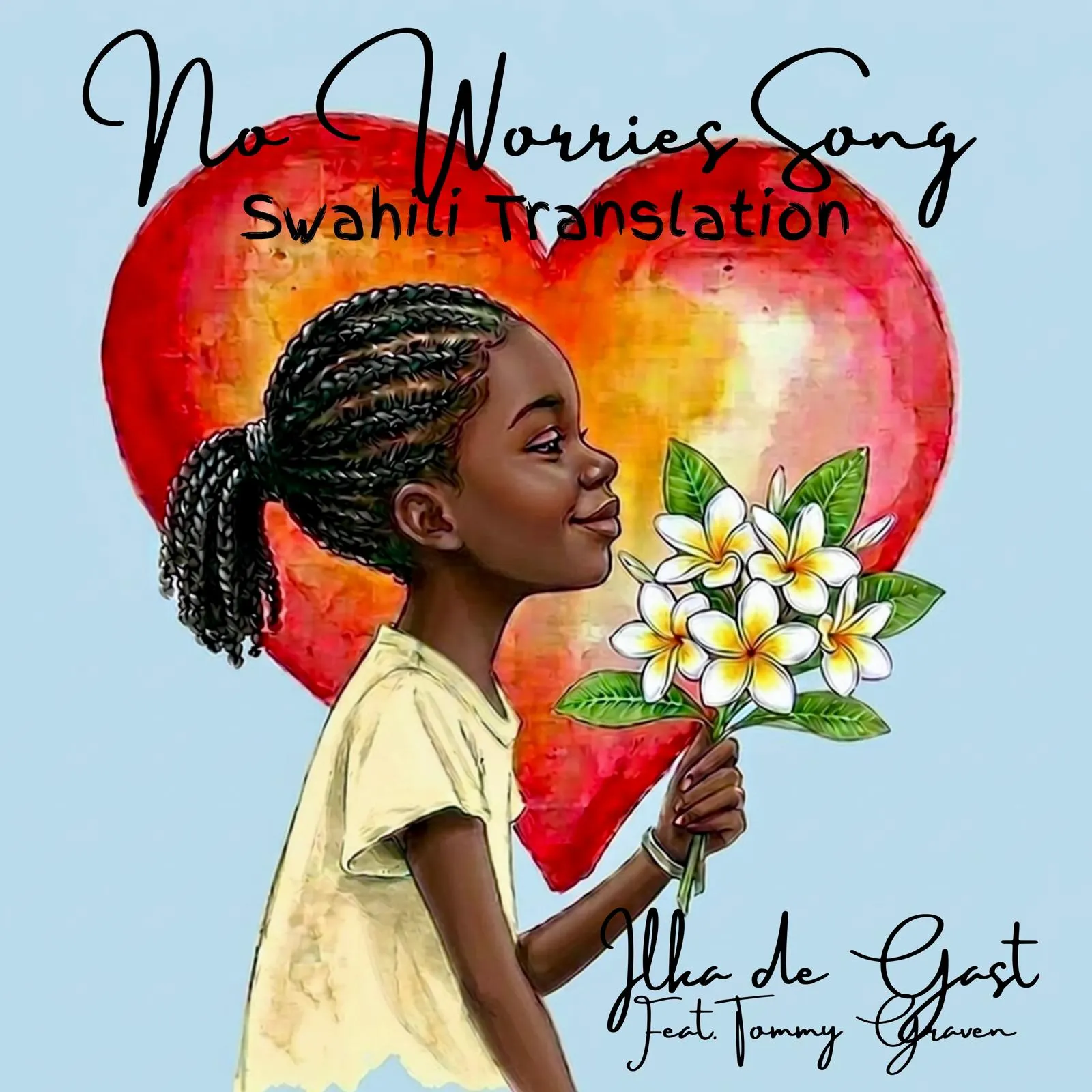
Kenya
The songs have been translated into Swahili for children in rural Kenya.
The program has now moved beyond the pilot phase. The sustainment and expansion of the Kenya initiative, Sauti Ya Amani, is being supported by the international NGO Health by Motorbike.
Uganda
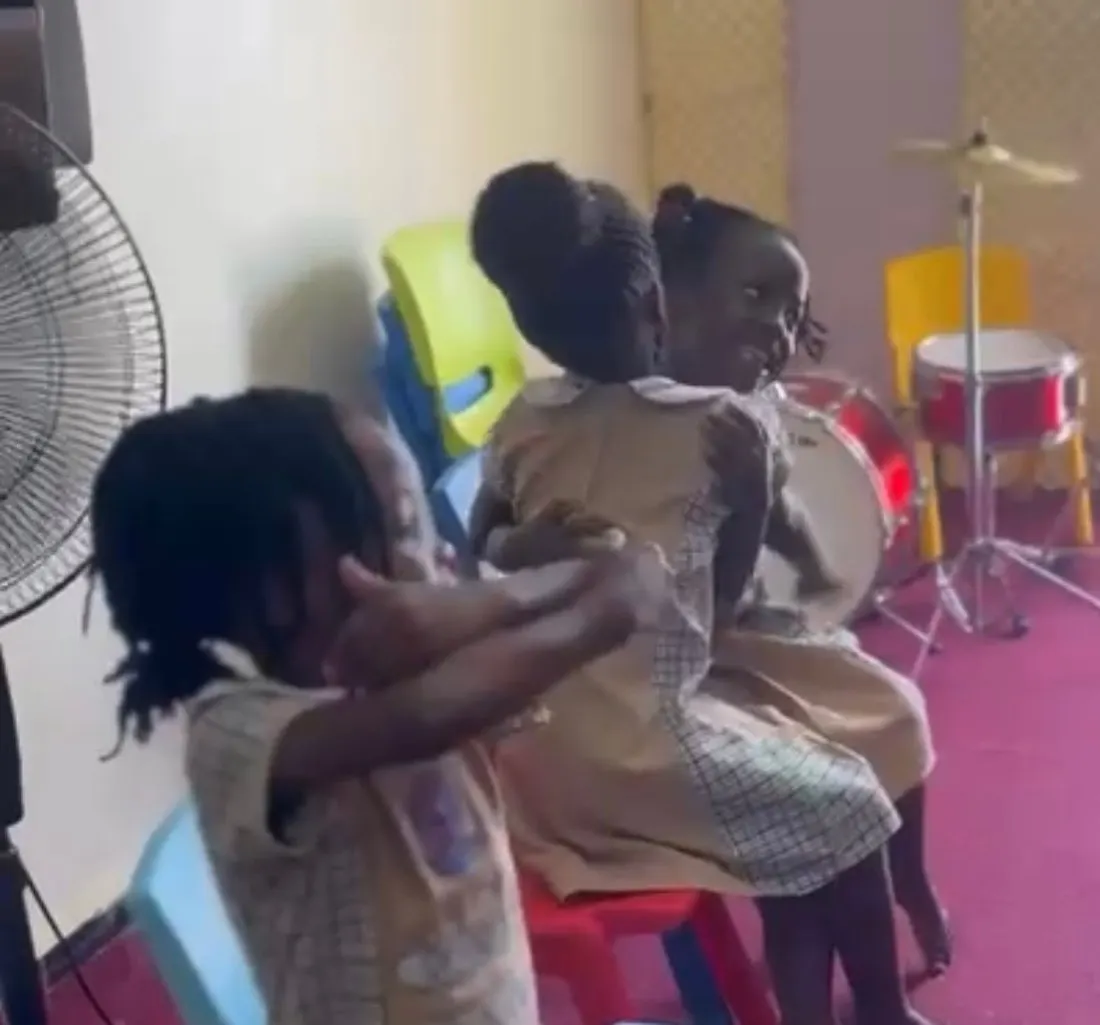
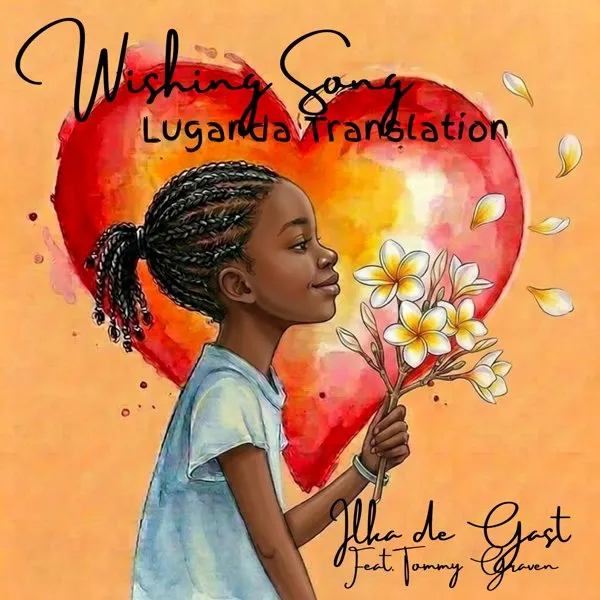
The songs have been translated into Luganda, and the pilot program is being used in music schools in Kampala. In the photo, children are taking part in a guided mindfulness practice: ‘Now give yourself a big hug.’
USA
The pilot is being used in schools in the San Francisco Bay Area.
More about the program in the USA coming soon.
The Netherlands
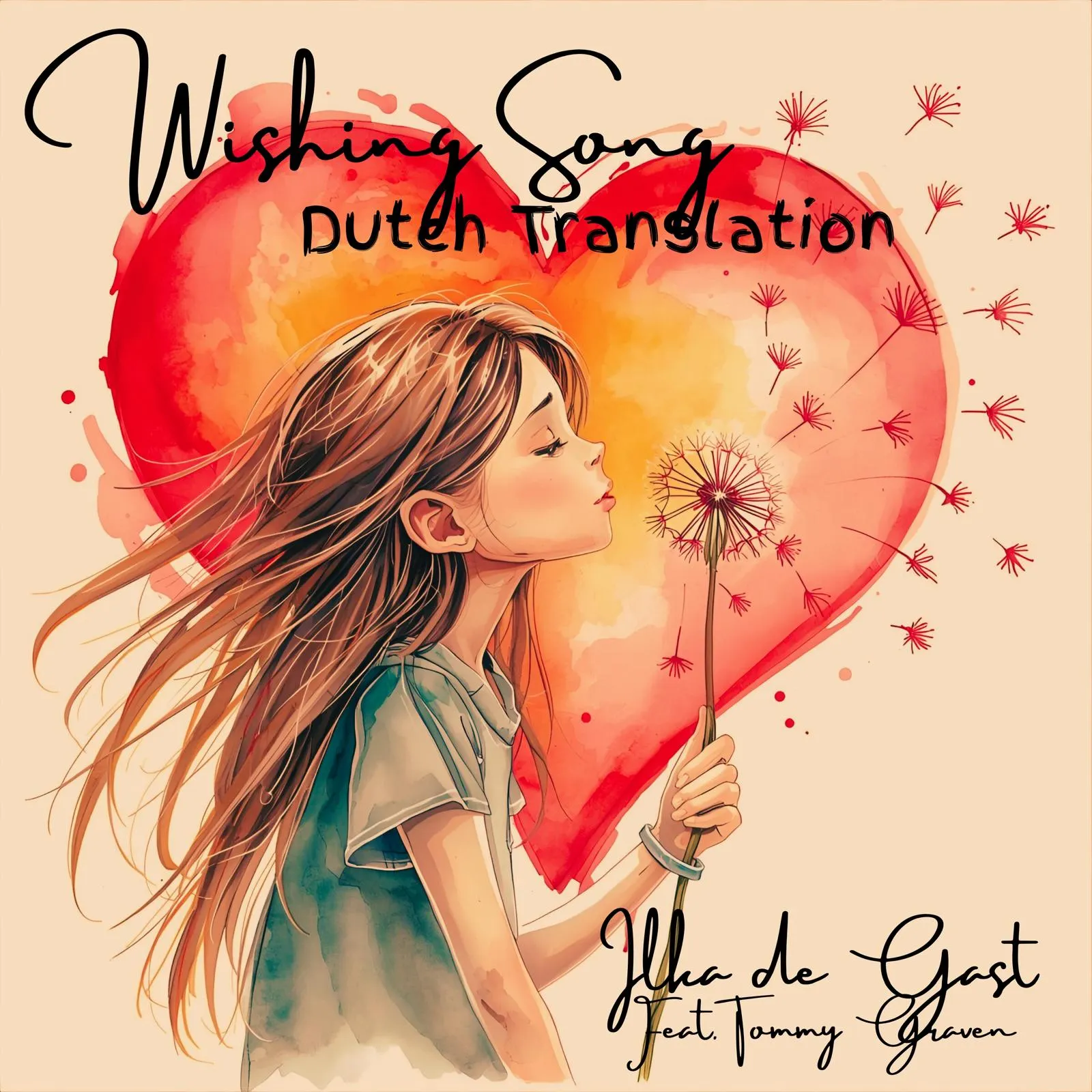
The songs have been translated into Dutch and the pilot is being used in schools.

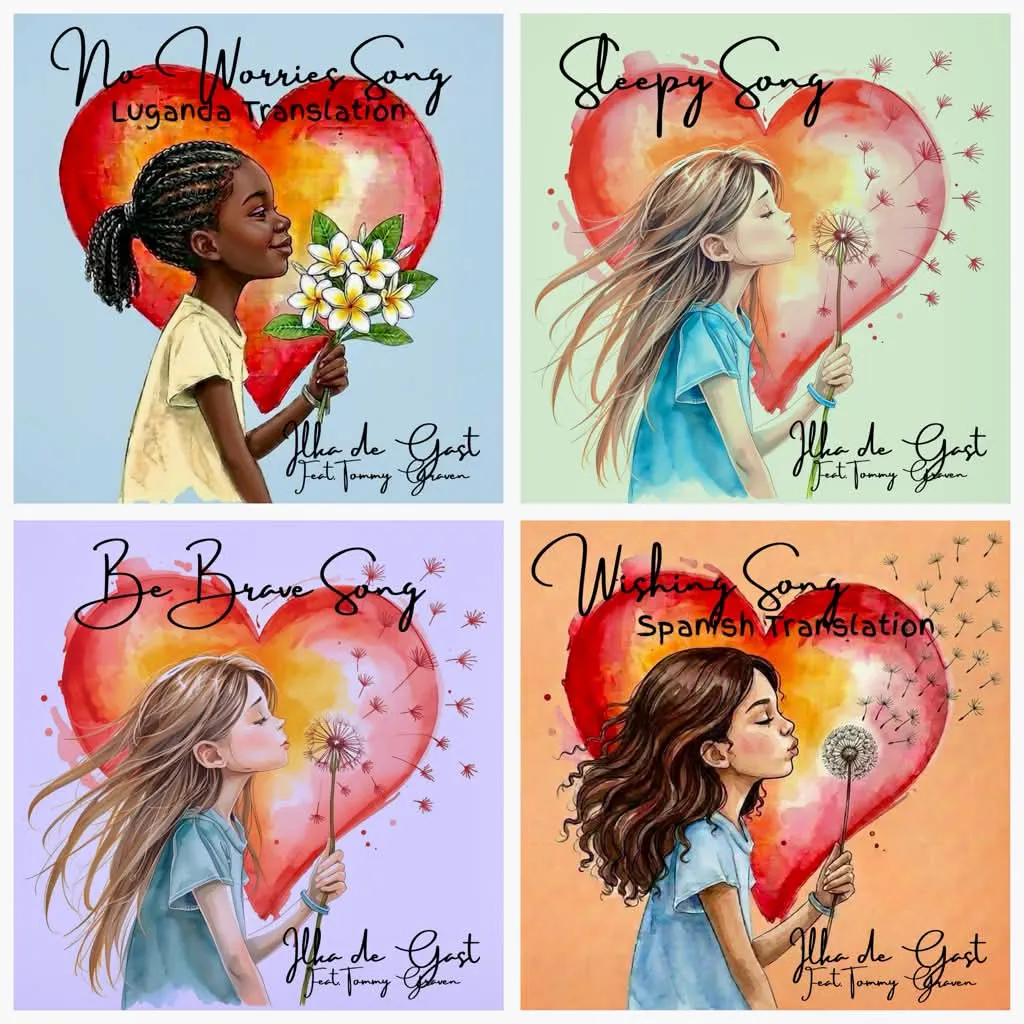
Four Core Songs. Four Emotional Tools.
A sample from the album by Ilka de Gast, PsyD, with music created in collaboration with Tommy Graven. Each song pairs original music with a short, spoken mindfulness practice, offering children a simple emotional tool they can use in everyday life.
Wishing Song
Encourages gratitude, positive intention and a sense of possibility.
No Worries Song
Supports emotional release and helps children let go of stress or anxious feelings.
Sleepy Song
Gently guides the body and mind into deep relaxation and calm.
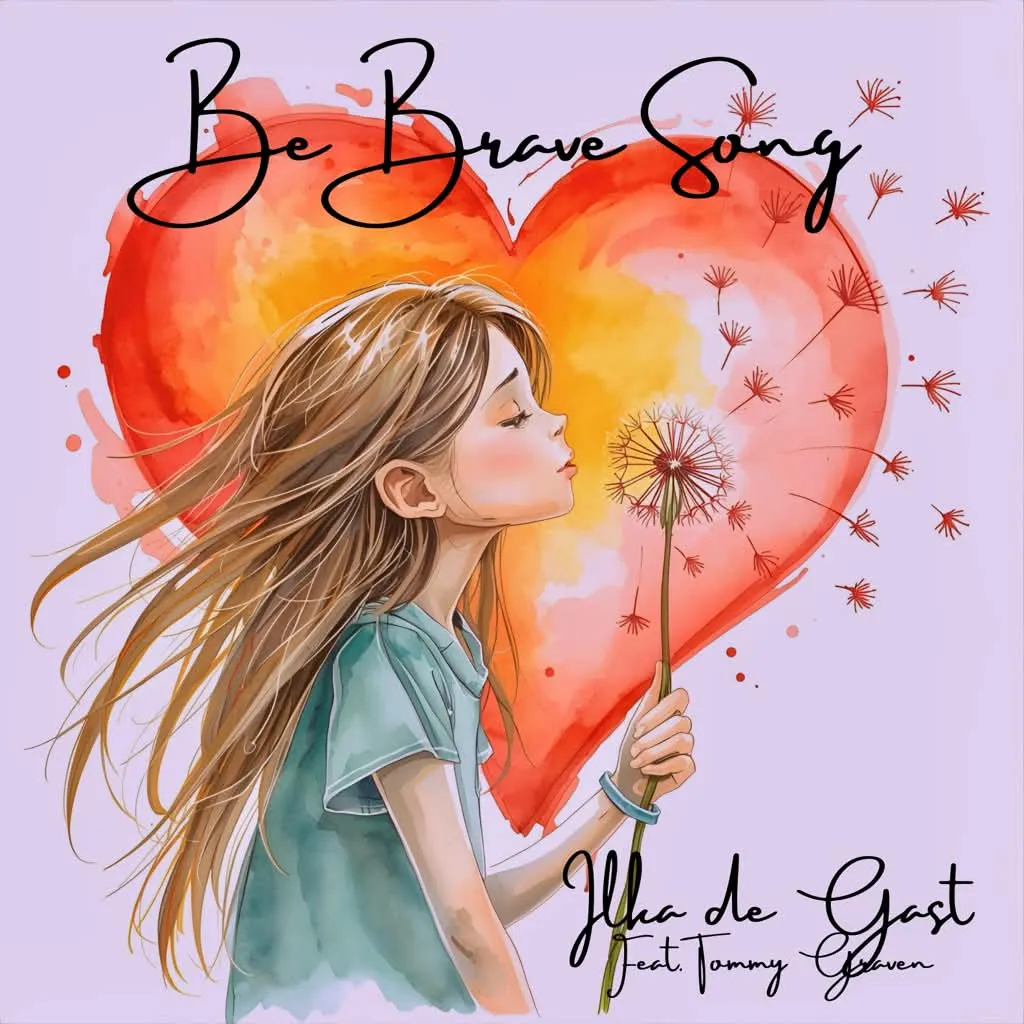
Be Brave Song
Builds confidence, courage and resilience in the face of challenges or new experiences.
Two extra songs included are Shine Bright Song and Dolphin Song.
Shine Bright Song
Supports children in recognizing and embracing what makes each of them unique.
Dolphin Song
Simple, fun Qigong movement with a short video to help children relax, ground and center. Title and imagery adapted to each culture.
A simple emotional toolkit children can use at school, at home with family, and eventually on their own.
Hear the songsTeacher-friendly. Minimal preparation.
Settle in
Explain mindfulness in simple, age- and culturally appropriate terms. Children sit comfortably, hands on heart or lap, and take a few slow breaths.
Press play
About 5 minutes of music with a spoken guided mindfulness practice. The Dolphin Song includes a short video.
Make it a rhythm
One or more songs daily or weekly: mornings, transitions, quiet or rest time, or the end of the day.
Share what you notice
A simple one-page feedback form, daily or weekly. A digital version is available.
Mindfulness practices in local languages – the language of home.
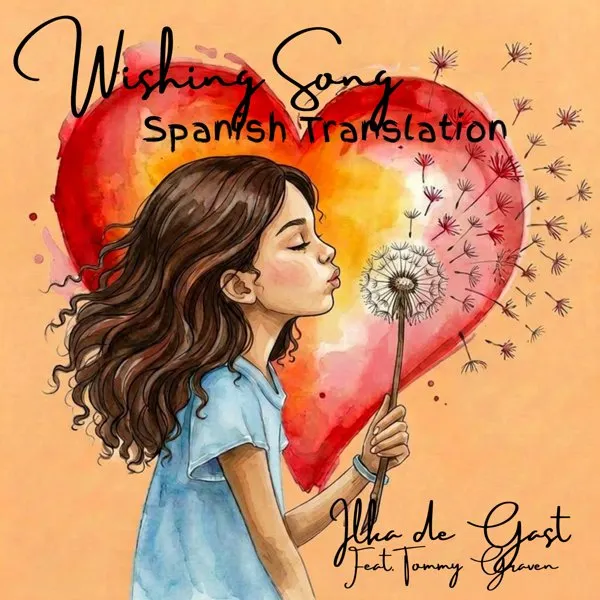
The songs have been translated into Luganda, Swahili and Dutch, and the pilot program implemented at different stages. Translations are also available in Spanish, French, Italian and Norwegian.
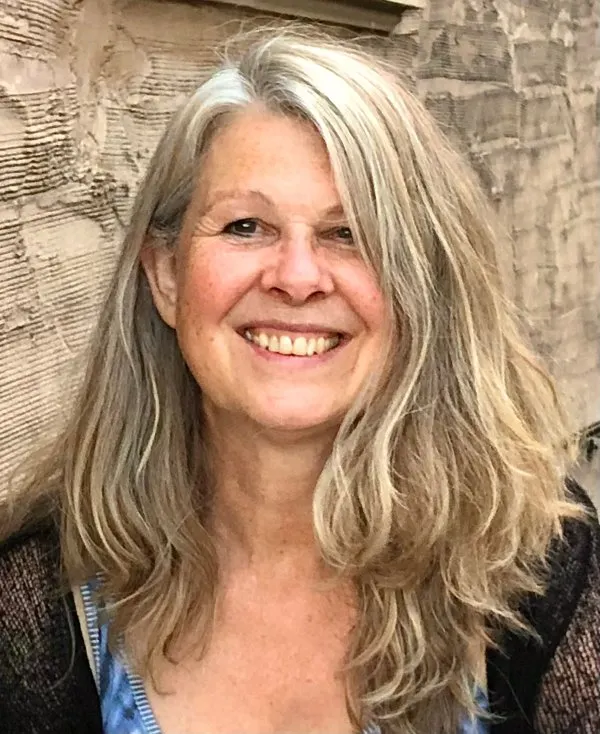
Ilka de Gast, PsyD
Originally from the Netherlands and living in California for more than 30 years, Ilka has worked as a psychologist at a large medical clinic for 15 years, as well as being in private practice. She teaches meditation and Qigong at hospitals and medical clinics in the San Francisco Bay Area for staff, medical providers and patients.
Her meditation music is featured in film, radio and international events such as Dr Joe Dispenza’s Advanced Retreats, and she facilitates sacred sound and Qigong retreats in Europe and the US.
Ilka draws on her diverse background to create the Mindfulness Through Music program, bringing together simple, age-appropriate stress-management tools, mindful breathing, somatic exercises, and emotional resilience practices. Through music and guided experiences, these practices are offered in ways that feel safe, nurturing, and easy for children and youth to engage with.
Questions from schools.
Which ages is the program for?
Children ages 4–16. For ages 4–7, keep discussions brief and playful. For ages 8–11, encourage reflection and sharing. For ages 12–16, explore emotions, resilience and self-awareness in greater depth.
How long does each practice take?
About 5 minutes. Each is a short recorded listening experience combining music with a spoken guided mindfulness practice or meditation.
How much preparation do teachers need?
Very little. The format is teacher-friendly, needs minimal preparation and follow-up, and fits flexibly into the school day. Optional live or virtual facilitation is available.
How long is a pilot?
The suggested pilot duration is 4–6 weeks.
Which languages are available?
English, Luganda, Swahili, Spanish, French, Italian, Dutch and Norwegian.
How do teachers share feedback?
With a simple one-page feedback form, completed daily or weekly, by hand or digitally. It covers student calm, focus, engagement, transitions, emotional regulation, classroom atmosphere, and which songs children responded to most.
Bring Mindfulness Through Music to Your School
Interested in bringing Mindfulness Through Music to your classroom or school?
Teachers and schools are invited to contact us to learn more about participating in the program and to receive the Teacher Resource Folder, including implementation guides, song audio files, classroom resources, and teacher feedback tools.
For school participation, partnerships, program support, or more information, please contact: